|

Dr.
ALAIN SAINT-SAËNS
is a Professor of
History and Literature,
Writer, Poet, Playwright,
Novelist, and Translator.
|
''I came to
love Paraguay, a
small country niched between
Brazil,
Bolivia and Argentina. People are gentle,
hard-workers,
and dedicated. In spite of a
dictatorial
past and an imperfect democracy that
followed,
Paraguayans are
eager to
establishing a strong, real, and modern
democracy.'
|
|
'These beautiful poems tell two stories,
that of
the humanity that shapes Paraguay’s
problems, hopes, and dreams,
and that of Alain Saint-Saëns’s
personal and professional journeys to a new land.'
|
|
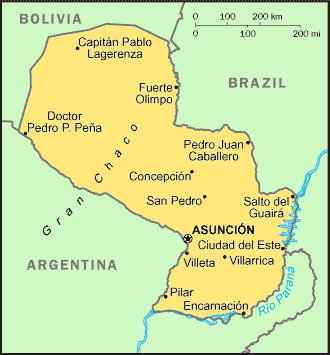
MAP
OF
PARAGUAY
Paraguay, between
Bolivia, Argentina and Brasil.
|
|
'The
narratives are gripping.'
'The
truth of the reality hits the reader hard, right in the face.' |
|
Street Children.
|
The Tragedy of Ycuá
Bolaños. |
|
NIÑOS
DE LA CALLE
¡Dame tu dinero!
Pero lo necesito,
Luis le dijo,
Asustado.
Ya te he dicho,
En esta calle
Soy el jefe.
El Grande
Es mi nombre,
Todo lo tuyo
Es mío.
Había mendigado
Luis muy duro
En el frío,
Era tan injusto
Robarle su dinero.
Bueno, mi guapo,
Dos mil guarda
Para tu comida.
Soy tu amigo,
Chico bonito,
Lo sabes,
No te lo olvides.
¡Acércate acá!
Temía lo que quería.
Cada noche lo pedía.
¡Abre la boca,
Y no me muerdas!
¿Por qué lloras?
De su vergüenza
Luis lloraba.
Quería morirse,
Y al cielo irse.
Por cierto ahora
Dado todo hubiera
Para vivir en Don Bosco.
Allá estaba Pedro,
Su mejor amigo.
Podría tener colchoneta,
Ir a la escuela,
Quizá encontrar familia
Con ayuda de los Padres.
¡Despierta!
¡No te pares,
Idiota!
Le dolía la boca.
Cuando acabó,
Al lado le echó
El Grande.
¡Lárgate!
Le dijo.
¡Qué malo!
Pensaba el pequeño.
Gritaba su estómago.
Tanto frío
Hacía
Con este viento
De invierno.
Temblando todo,
Sueño
No tenía.
De zapatero
Cola olía,
Olvidando
Al mundo.
Se prometió:
Mañana,
A Don Bosco
Sí, iré.
Nueva vida
Empezaré,
Mañana,
Mañana…
A las nueve,
El día siguiente,
Le encontraron
Muerto
En una cajita
De cartón.
¡Qué pobre!
Lamentó una madre,
Mirándole
En el suelo.
Mierda era,
Dijo un policía,
Un ¡niño de la calle!
|
YCUÁ
BOLAÑOS
En un
supermercado,
A Primero
De Agosto
De dos mil
cuatro,
Un grito
Se oyó.
¡Fuego!
¡Fuego!
Cierra las
puertas,
Rápido,
Te digo.
Pero el
fuego,
Señor
Director.
¿Qué
fuego?
¿Has
perdido
El
sentido?
No han
pagado,
No van a
salir.
Señor,
Se van a
morir,
Si escapar
No pueden.
Favor
Abrir las
puertas.
Robando
mis cosas
Quieren,
Estos
ladrones.
Pagar
Deben.
Sin
concesiones.
Señor,
¡Qué
horror!
Las llamas
A las
puertas
Sí, corren,
¡Ya se
mueren!
Ycuá
Bolaños,
Doscientos
De
nuestros niños,
Quemados.
Doscientos
Y pico más,
Abuelitas,
Mamitas,
Padres y tíos,
Yernos y cuñados,
Primos y sobrinos,
Cocidos
Todos
En un asado
Gigantesco
De carne y
huesos.
Ycuá
Bolaños,
Barbaridad
Monstruosa,
Paiva,
Casaccia,
Mancha
sucia
De la
patria
Vergonzosa.
Ycuá
Bolaños,
Tumba fea,
Guernica
Del
Paraguay.
Justicia,
Humana,
No hay. |
|
© Alain Saint-Saëns 2009 |
© Alain Saint-Saëns 2009 |
|
REVIEWS OF THE
BOOK OF POETRY |
|
'The poems,
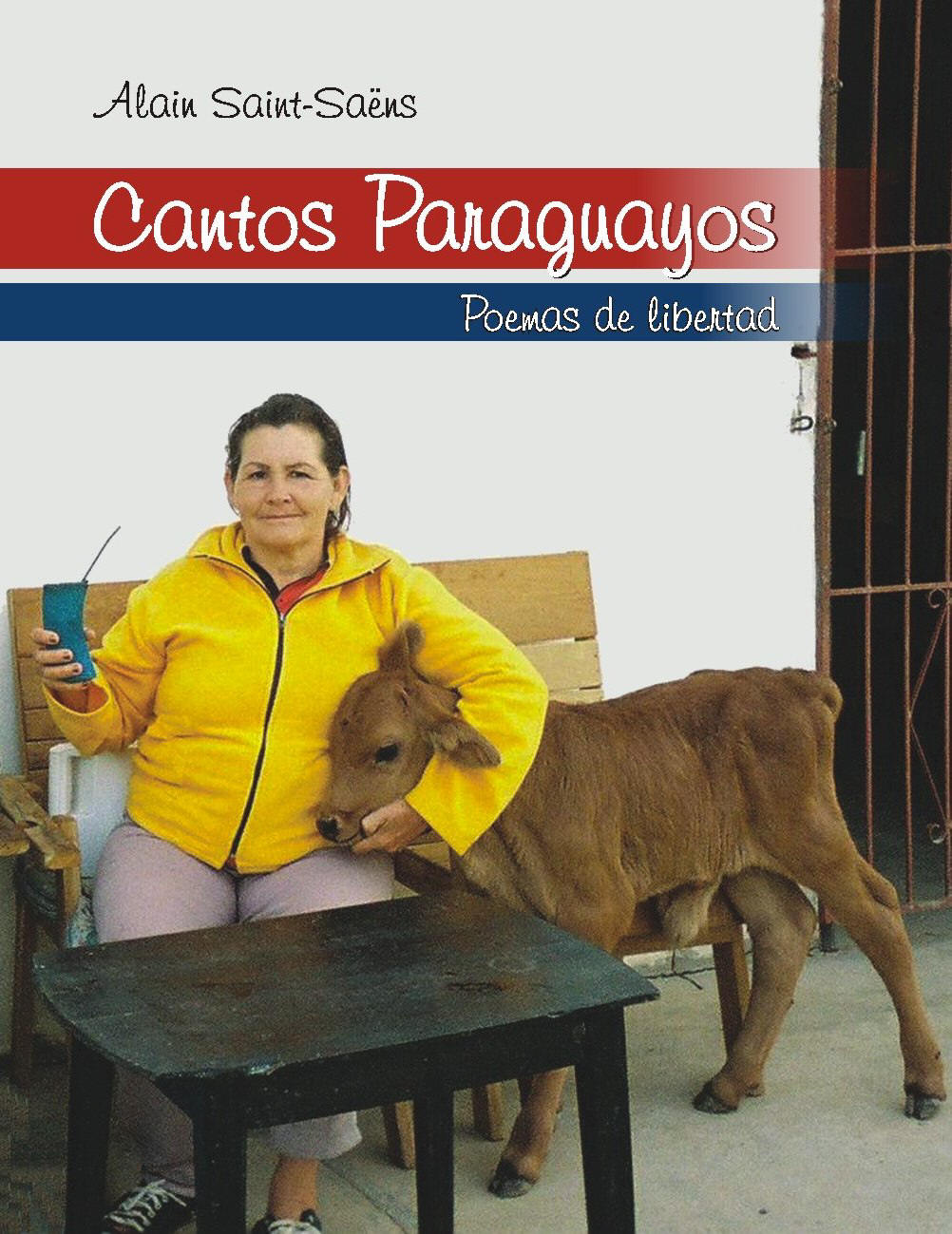
Cantos Paraguayos. Poemas de libertad, are
fascinating and provide deep insight into far-off, mysterious
and trouble-afflicted Paraguay, a nation of great beauty and of
continued violence, on which Alain Saint-Saëns so penetratingly
comments, yet a country nonetheless imbued with great promise.
This eloquent
and moving volume captures so passionately and stirringly the
complexity and paradox of modern Paraguay, which thus far has
been an enigma for the Western World. Alain Saint-Saëns
concludes his beautiful book of poetry on a note of hope for the
future, a hope for a peaceful and united Paraguay that can be
extended to all Latin American countries.'
Lanin A. Gyurko
READ THE WHOLE REVIEW
Professor of Latin American Literatures,
University of Arizona (USA).
Winner of the 2002 Orden de los Descubridores Award from La
Sociedad Nacional Hispánica.
|
|
'This is a remarkable collection of poetry
from a distinguished historian who has revealed what must have
been a long smoldering artistic passion. These beautiful poems
tell two stories, that of the humanity that shapes Paraguay’s
problems, hopes, and dreams, and that of Alain Saint-Saëns’s
personal and professional journeys to a new land. These poems
are a moving insight into the author’s own life changes, and how
they have been touched and often shaped by Paraguay’s turbulent,
troubled, but profoundly human recent past. Saint-Saëns’s poems
reflect the knowledge of and sensitivity to domestic and
international Paraguayan affairs of somebody who has lived in
that country all his life.
There is no better introduction to
Paraguay than these short works of art (...)
Cantos Paraguayos.
Poemas de libertad is a joy to read and heralds the
emergence of a powerful new poetic voice.'
David Sheinin
READ THE WHOLE REVIEW
Professor of Latin American History, Trent University, Canada,
Académico Correspondiente,
Academia Nacional de la Historia de la República Argentina.
|
|
'Alain Saint-Saëns’s Cantos
Paraguayos. Poemas de libertad depict all the domestic
problems that Paraguay is facing: escalating crime-wave,
kidnapping, violence, poverty, social inequalities, and
exploitation. Successive poems enable the reader to have
a deep insight into the Paraguayan society (...)
Alain Saint-Saëns has opened the
door of a
garden, both cruel and hopeful, in which devils and angels are
struggling against one another (...)
With Alain Saint-Saëns’s poems,
we enter into a turbulent Paraguay,
where hopes and dreams of a
better life pave the way
to the young democracy.'
Marie Laure Rosita De Shazer
READ THE WHOLE REVIEW
Writer, Poet, and Professor of Spanish and
Chinese, Illinois.
|
|
'Alain
Saint-Saëns's poems, Cantos Paraguayos. Poemas de
libertad, are admirable and effective,
with
their stark, short lines and vivid feeling. I very much enjoyed
reading them.'
Carl Good
Assistant Professor of Spanish, Indiana
University (USA),
Co-Editor of the journal Discourse.
|
|
'Cantos
Paraguayos. Poemas de libertad,
a beautiful book of poems written by Alain Saint-Saëns, who
evidently knows very well and loves very much Paraguay,
perfectly reflects, thru poetry, the various challenges the
Paraguayan society is currently facing. (...)
No
Paraguayan president will easily be able to combat the issues
with which Alain Saint-Saëns deals in his poetry. Poverty, crime,
corruption, prostitution and murder: the reader who resides in
the (rich) northern hemisphere will place life in Latin America
in a different perspective after reading this book of poems.
(...)
The memories
of the many decades of oppression shine through very vividly in
Alain Saint-Saëns’ Cantos paraguayos. Poemas
de libertad. Through an a prima vista simple use
of vocabulary – even taking on the vernacular and at times a
deliberate free use of grammar - Alain Saint-Saëns masterly paints
the tragedy which continues to surround the vast majority of the
Paraguayan people. However, the moment this a prima vista
dissolves, the truth of the reality hits the reader hard, right
in the face.
(...)
Cantos Paraguayos’ narration of Paraguayan life
reminds of the tremendismo of Spanish author and Nobel
Prize winner Camilo José Cela in the La familia de Pascual
Duarte. Alain Saint-Saëns’ personal variant on this
tremendismo definitely succeeds in awakening the reader.'
Jack de Groot
READ THE WHOLE REVIEW
University of Queensland, Brisbane
(Australia).
Writer, Poet and Professor,
Author of, Intertextuality through
Obscurity. The Poetry of Federico García Lorca and Luis de
Góngora.
Winner of the 1995 Australian Literary
Prize for his poem, 'Homenaje a Luis de Góngora.'
|
|
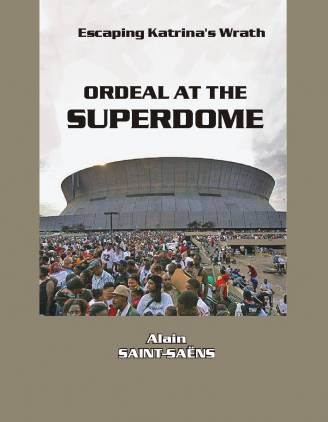
Dr. Alain Saint-Saëns
published a four act play,
Ordeal at the Superdome. Escaping
Katrina's Wrath,
in
2010.
'This
compelling play will quickly and decisively establish the author
as a presence in the rising generation of playwrights.'
'Certainly
it will be a long time before we have another memorable figure
like Barbara Carter, ‘a spirited and noble human being, a
tormented soul full of ardent faith and forgettable sins.’
Dr.
Gerald Monsman, Professor of English Literature,
University of Arizona.
|
 |
|
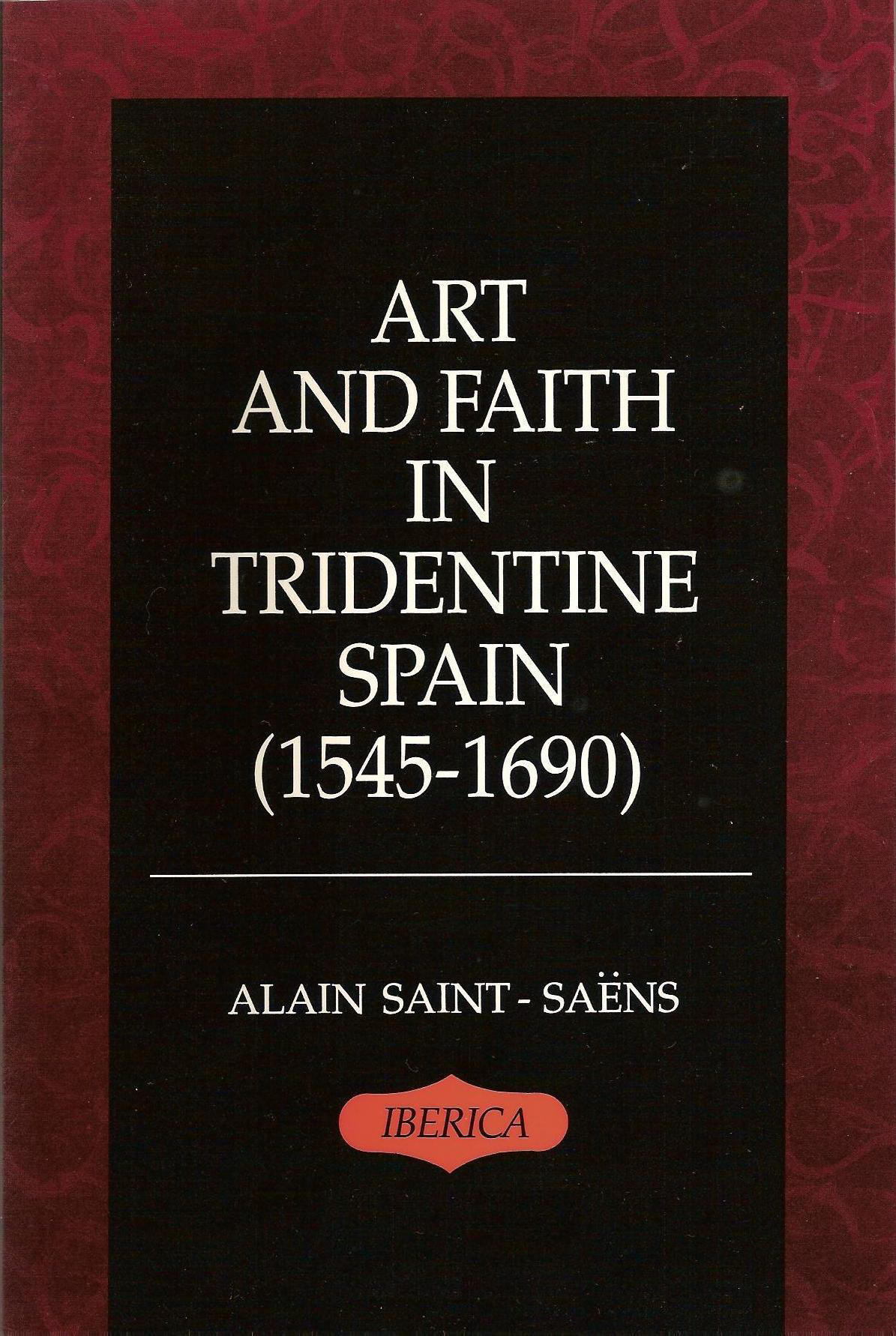
Dr. Alain Saint-Saëns is the
Praised Author and Editor of Several Books
Already Published by
University Press of the South, Presses Universitaires du Nouveau
Monde, and Other
Prestigious Academic Presses. |
|
Dr. Alain Saint-Saëns
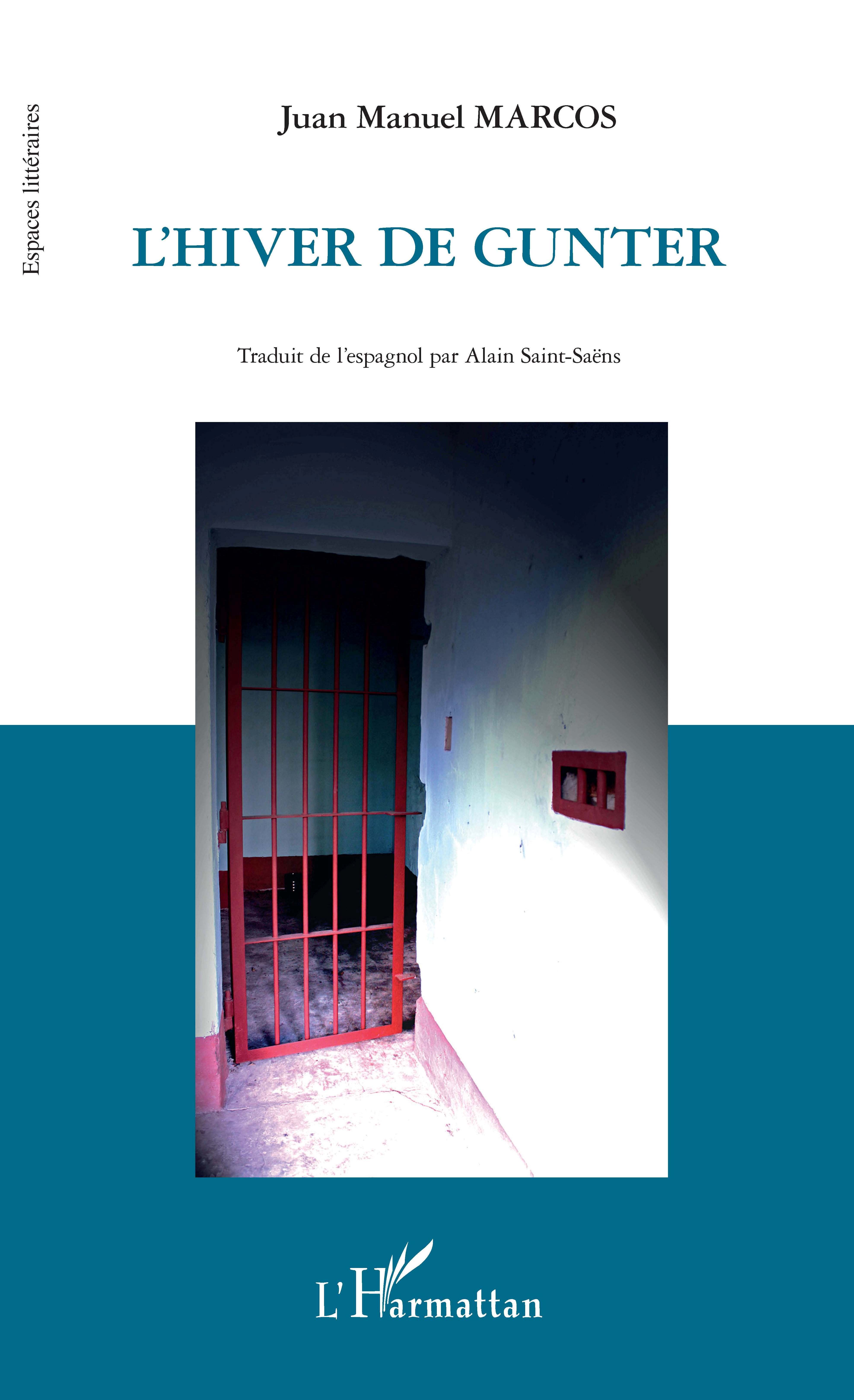
translated from Spanish to French the novel written by
Paraguayan author, Juan Manuel Marcos,
El invierno de Gunter.
It was published in 2011
by
Editions L'Harmattan in Paris (France)
entitled,
L'hiver de Gunter.
'Le poète, dramaturge
et historien francais Alain Saint-Saëns, en une
remarquable traduction, a su allier élégance stylistique
et richesse verbale tout en restant fidèle au texte
qu'il transposait admirablement d'une culture à l'autre.'
Rubén Bareiro
Saguier,
Ancien Ambassadeur du Paraguay en France,
Commandeur de la Légion d'Honneur.
|
 |
|
 |
 |
 |
|
 |
 |
|
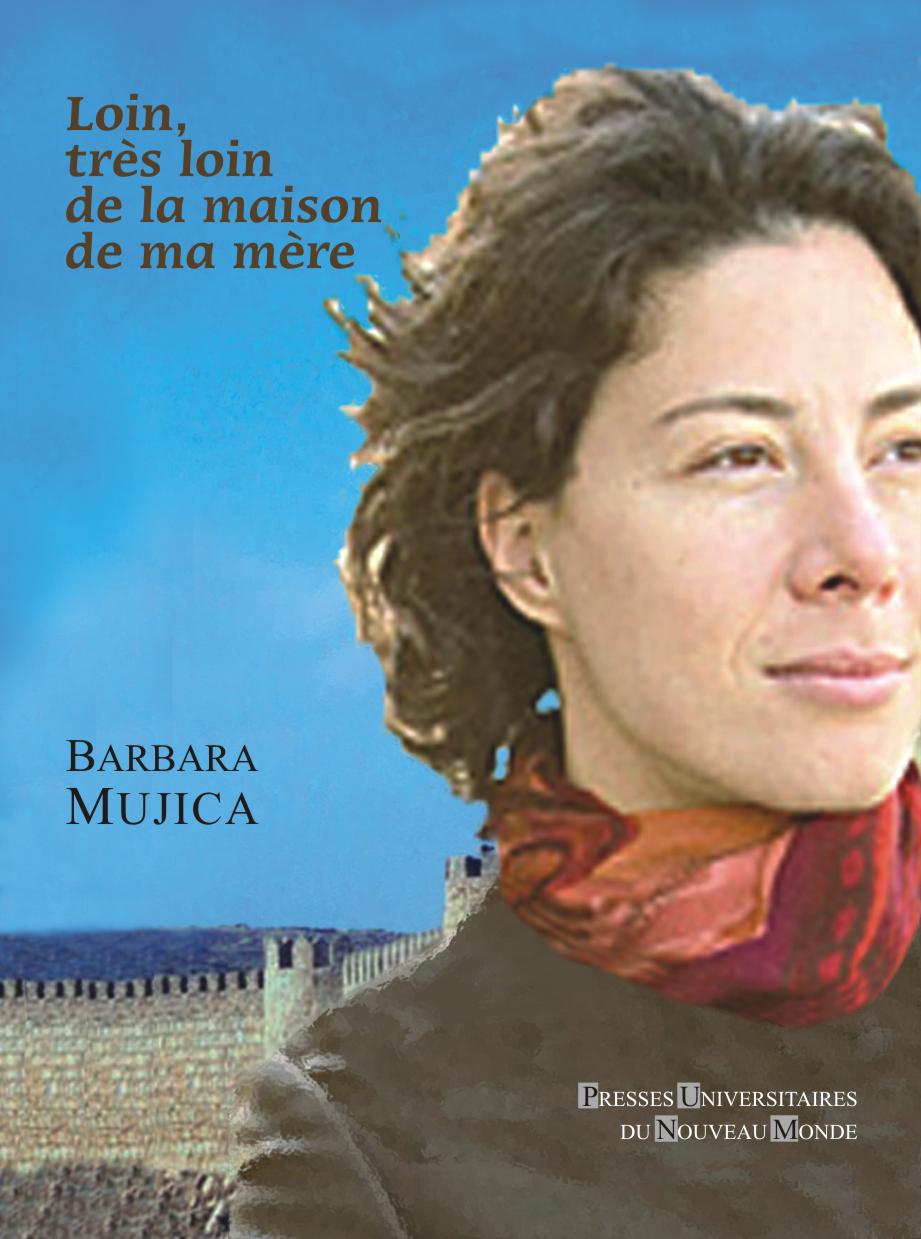 |
Dr. Alain Saint-Saëns
translated from English
and Spanish a book of short stories,
Far From My
Mother´s House,
written by the famous
American author, Barbara Mujica,
and entitled:
Loin, très loin de la maison de ma mère
(Presses Universitaires du Nouveau Monde: New
Orleans, 2005).
|
|
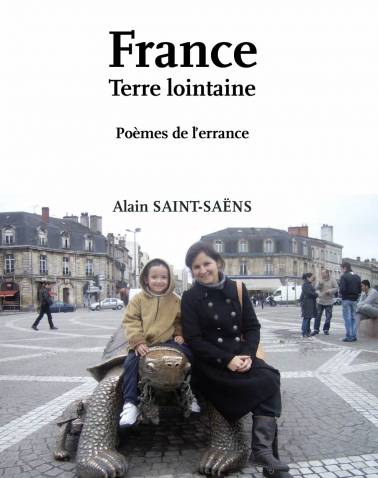
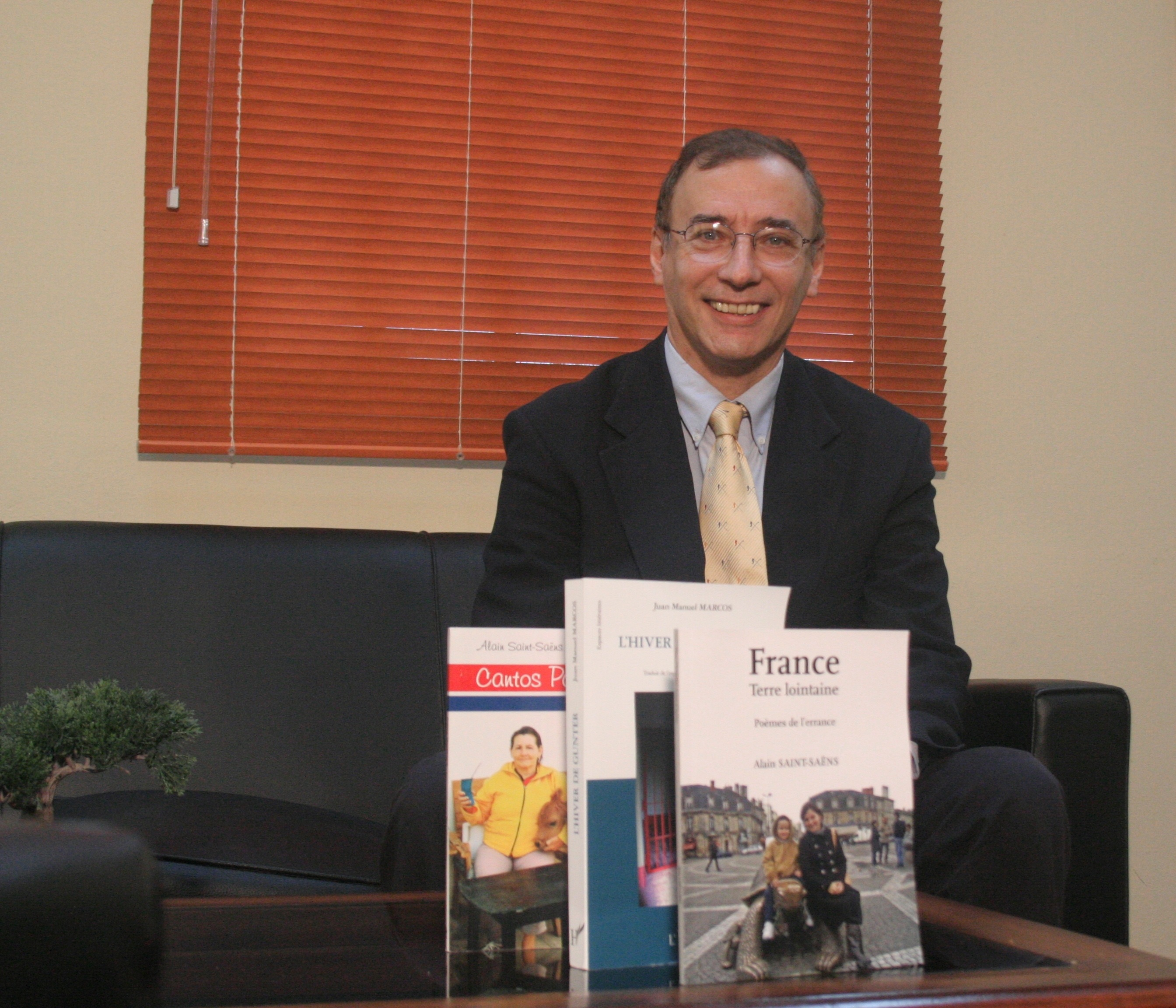
Dr. Alain Saint-Saëns' book of poems in French,
France, terre
lointaine. Poèmes de l'errance,
has
been published in 2011 by Presses Universitaires du Nouveau Monde.
|
|
 |
 |
 |
|
Alain Saint-Saëns
is Agrégé d'Histoire, Docteur en Histoire et Docteur
Habilité from the University of
Toulouse-Le Mirail (France).
A former Scientific Fellow of the French School for Advanced Spanish Studies in Madrid,
Spain
(Casa Velázquez) for three years,
he is Professor of Modern History and
History of Spain and the Mediterranean.
He wrote and directed more than ten major books of History in
French, English, and Spanish.
An admired poet, Alain Saint-Saëns published in Spanish,
Cantos Paraguayos.
Poemas de Libertad (2009);
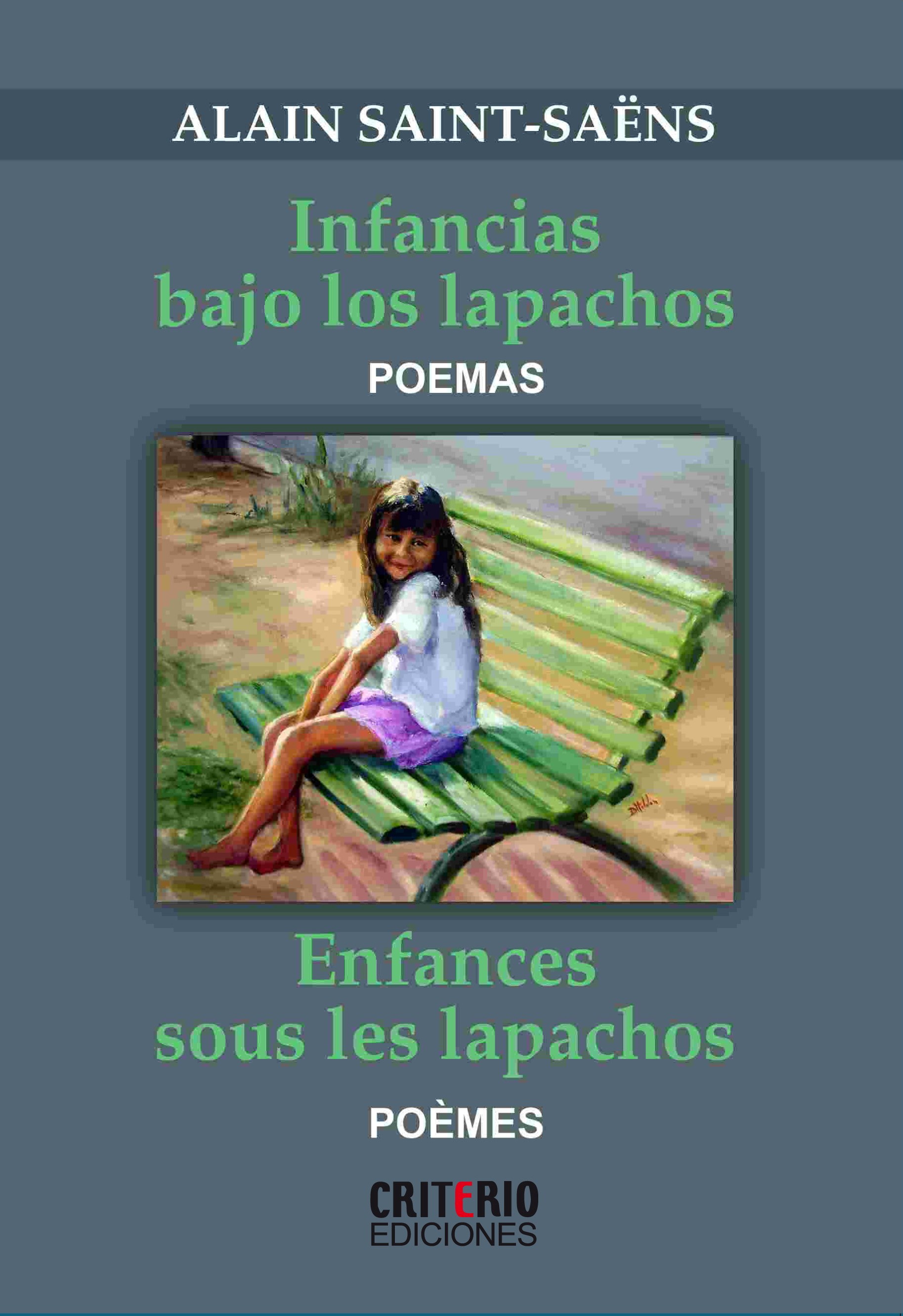
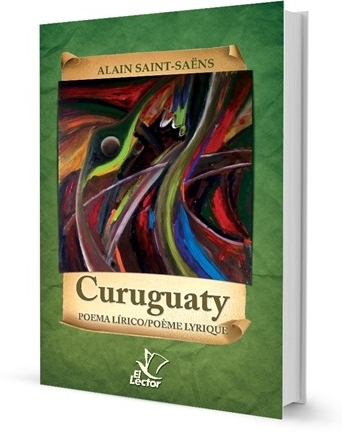
as bilingual French-Spanish editions: Curuguaty (2012),
and Enfances sous les lapachos/Infancias bajo los lapachos
(2014).
His book of poems in French, was published
in 2011 under the title,
France, terre lointaine.
Poèmes de l'errance.
A praised playwright, Alain Saint-Saëns recently published
two plays:
Ordeal at the Superdome. Escaping Katrina's
Wrath in 2010;
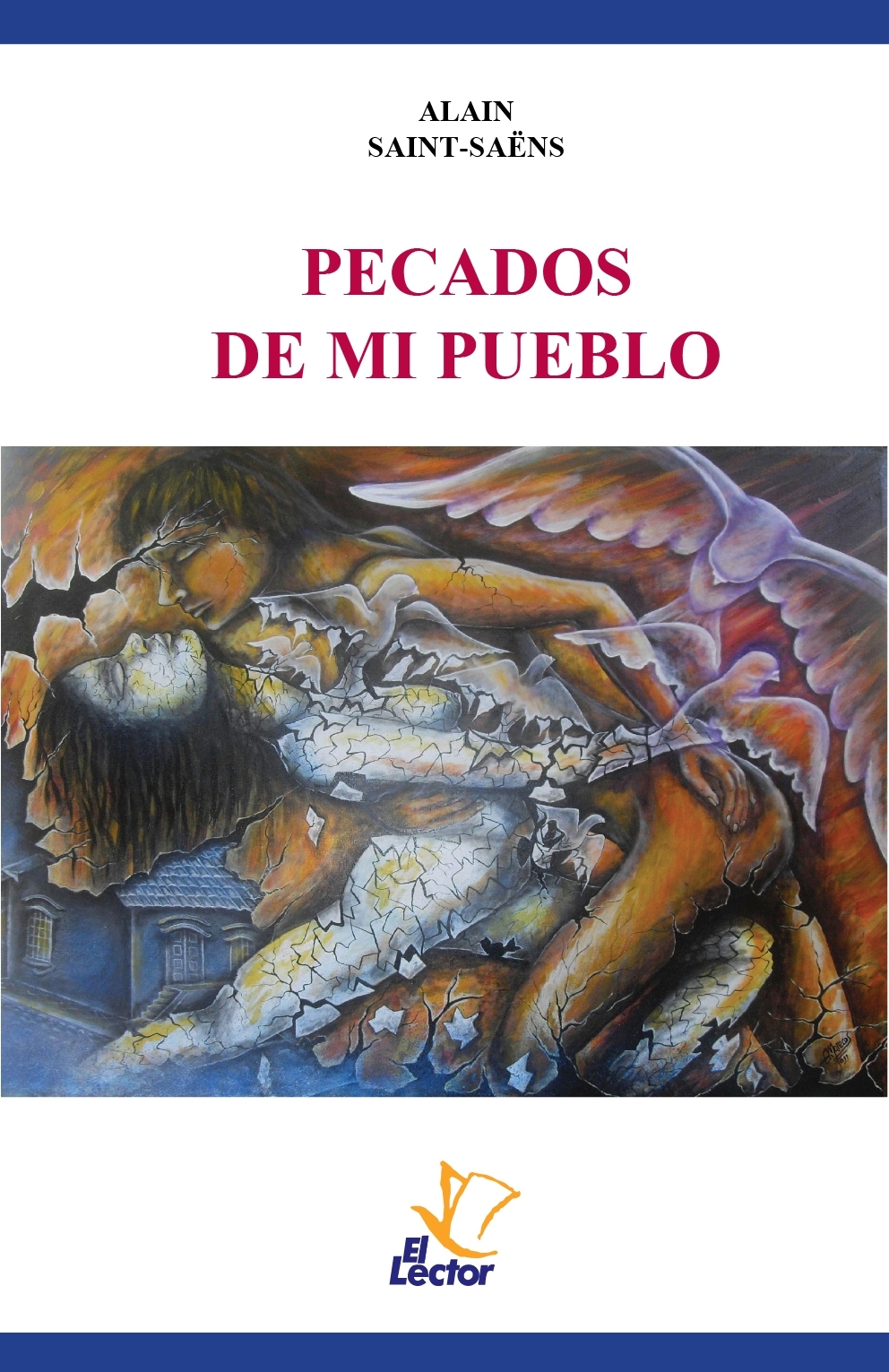
and Pecados de mi pueblo (2013) in Spanish. His new play
in Spanish,
Romeo y Julieta en el Marzo Paraguayo
will be launched in 2015.
As a
translator, Alain Saint-Saëns recently
translated:
Paraguayan Juan Manuel Marcos' famous novel, El invierno de Gunter,
from Spanish to French;
The book was published in 2011 by Editions
L'Harmattan in Paris, France, under the title, L'hiver de Gunter;
Brazilian poet Aleilton Fonseca's book of
poetry, Um rio nos olhos, from Portuguese to Spanish,
published by University Press of the South in
2013, under the title,
Un río en los ojos;
and Paraguayan poet Renée Ferrer's book of
poetry, Ignominia, from Spanish to French.
The book will be published in 2015 under the
title, Ignominie.
Alain Saint-Saëns
has written a novel in French, Deux veuves et un ouragan, a story of desperation, love, suffering, and redemption,
based in
New Orleans, a city the author has been living in for twenty years and
that he passionately loves.
This novel will be
published in France in 2015.
Alain Saint-Saëns
is preparing a
Nouvelle anthologie de la poésie française du Moyen Age à nos jours
in French, to be published in 2016.
|
|
 |
A NEW NOVEL IN SPANISH
BY ALAIN SAINT-SAËNS
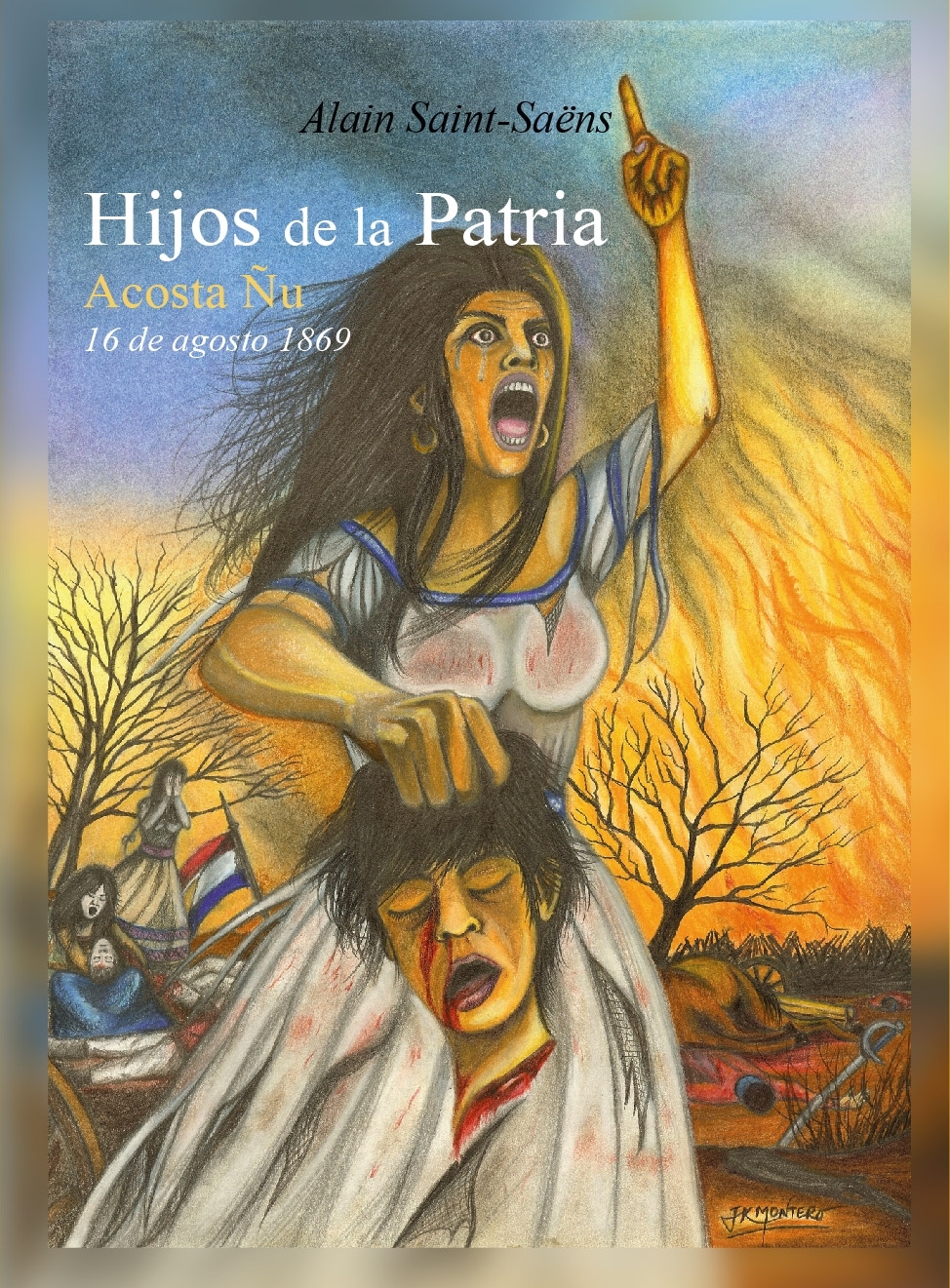
HIJOS DE LA PATRIA
'La
novela de Alain Saint-Saëns, Hijos de la Patria, es una
lección para hacernos pensar en lo que somos nosotros paraguayos como
raza, para acercarnos a esos héroes, soldaditos desconocidos, muchos, de
la batalla de Acosta Ñu del 16 de agosto de 1869. Esta novela es un
precedente importante, desgarrador pero que golpea la puerta de la
conciencia patriótica. Estoy tremendamente tocada en el alma por esta
historia extraordinaria y espeluznante de comienzo a fin. Es una obra
que arranca llanto, ira, amor y paz. Estamos frente a la novela de
consagración del autor, Alain Saint-Saëns, como escritor de narrativa.
Con un final impresionante, Hijos de la Patria, basada en nuestra
historia, será sin duda una novela culta…grande, muy grande'.
Estela Franco
'Sobre
el episodio histórico de la batalla de Acosta Ñu, Alain Saint-Saëns
construye un relato que alcanza niveles de horror estremecedores. Los
personajes en Hijos de la Patria giran como envueltos por un
torbellino de sadismo salvaje. No se trata de que lo que cuenta el
narrador haya sucedido o no en la realidad. La ficción narrativa tiene
su propia lógica, su propia realidad imaginaria que agrega un
significado profundo y universal al holocausto casi mítico de niños,
ancianos y mujeres, profanado por una mente saturnina deshumanizada, en
su pasión destructiva
de cualquier oposición a su voluntad omnímoda'.
Francisco Pérez-Maricevich
De la Academia Paraguaya de la Lengua Española
|
|
PRENSAS UNIVERSITARIAS
DE AMÉRICA LATINA |
ISBN:
978-1-937030-47-6 |
|
|