ПОСЛУШАЙТЕ!
LISTEN UP!
A LISTENING AND SPEAKING COURSE.
|
|
by
EKATERINA NEMTCHINOVA (SEATTLE PACIFIC UNIVERSITY, USA)
|
|
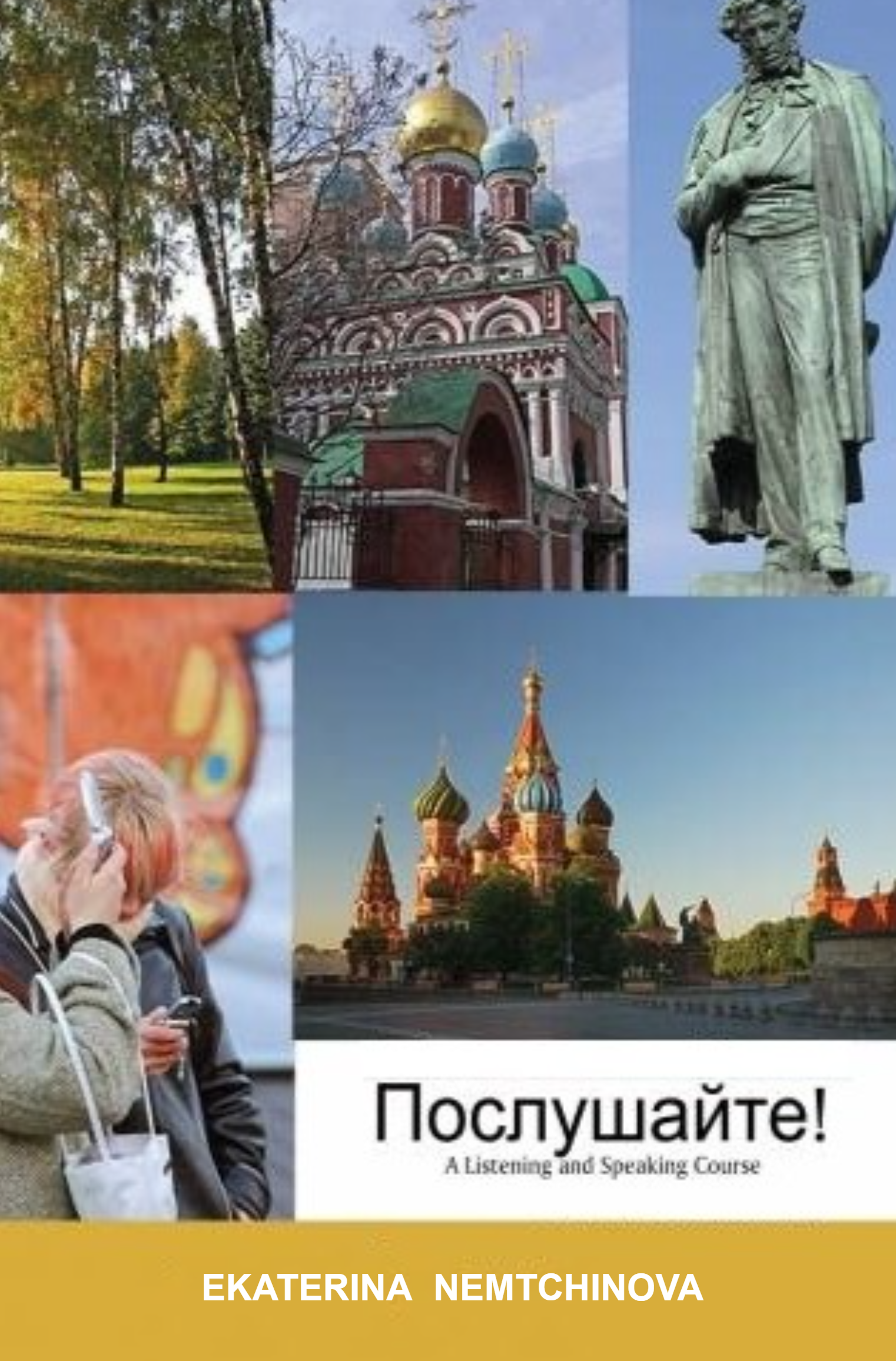
Cover Art by Evgeniy Koltsov, Website “Moscow,” http://fotomoskva.net.ru . Reproduced with Permission. Cover Design by Rosana Sánchez. |
ISBN: 978-1-937030-01-8 2011 177 Pages
|
|
Послушайте! is intended for intermediate-level students who want to improve their listening and speaking communication skills. Focusing on language in the context of everyday communicative acts (e.g. making requests, seeking and giving advice, apologizing etc.), the book provides students with multiple opportunities to practice listening and speaking in a variety of real-life situations. A host of individual, pair, and group activities in each chapter develop effective listening strategies, promote meaningful practice of language and communicative skills, and boost students’ confidence in dealing with real Russian. ---------------------------- “Послушайте! is a unique teaching and learning resource. The language featured in the textbook is authentic and up-to-date. While listening texts primarily feature every-day high frequency vocabulary, they are occasionally “garnished” with pieces of common slang. These discreetly used slang expressions render feature dialogues appealing and lively. In addition, each dialogue captures and conveys culturally idiosyncratic ways of interaction, culturally specific humor, and certain cultural values. In effect, while the primary intent of the textbook is to develop language learners’ listening comprehension skills, it also provides learners with highly relevant idiomatic vocabulary and the benefit of developing some insight into the Russian culture.” Tatiana Gordon, Hofstra University |
|
|
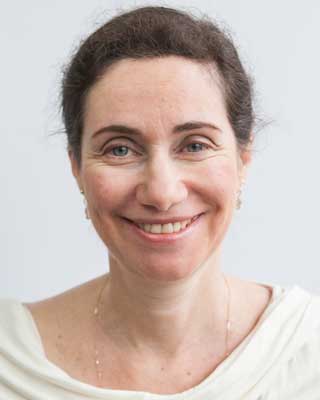
EKATERINA
NEMTCHINOVA
is
an
Associate Professor of TESOL and Russian at Seattle Pacific
University, where she teaches courses in linguistics,
methodology of foreign language teaching, and Russian language,
literature and culture. She is the author of numerous
publications on teacher education, the issues of nonnative
English speaking professionals in TESOL, and technology in
language learning.
|
|